Memory jewelry: what you are actually choosing.
A keepsake can be more than an object. The useful questions start before you choose the piece.
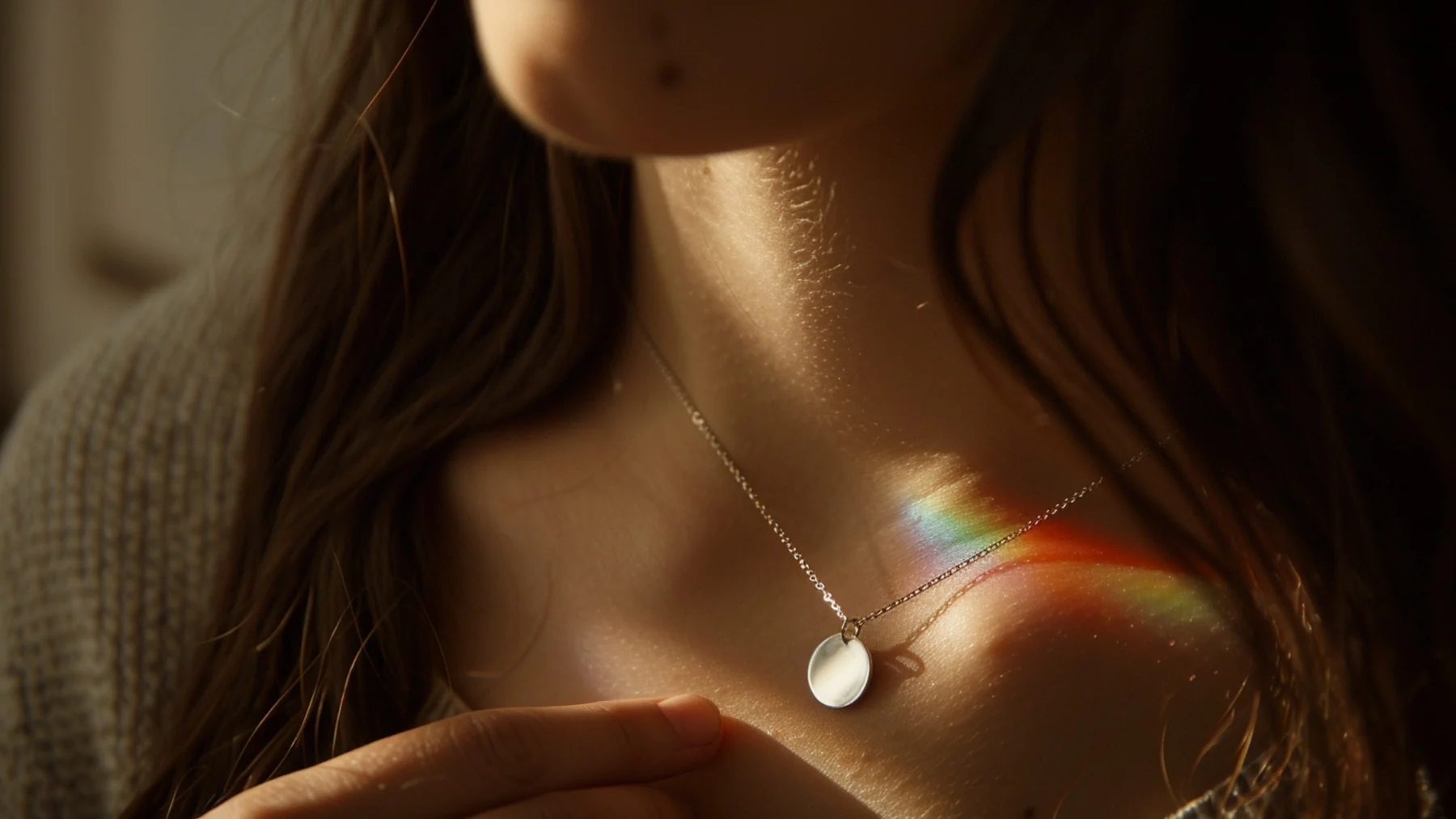
“Memory jewelry” is used to describe several different things: an engraved pendant, a locket holding a photograph, a birthstone ring, or a piece connected to a private digital page. The phrase can make them sound like one category. They are not. The object, the record, and the access method are separate decisions, and each one has its own questions.
That matters before you buy. A beautiful piece with a poorly explained memory page is not the same gift as a simple piece with a clear, private way to reopen the story. The useful work is to decide which part you are actually choosing — and to check the details that are easy to assume.
Start with the object
A keepsake is worn, so the ordinary questions still apply. What is it made of? How heavy is it? Does the chain or clasp suit daily wear? Will the finish change with perfume, chlorine, or a gym routine? If the piece is engraved, what are the character limits, the font, and the placement?
These questions are not less important because the gift is emotional. A piece that is uncomfortable or needs careful handling every time it is worn may end up in a drawer, which is the opposite of what a memory gift is for.
Then decide what the record is for
A photograph in a locket, a few words on the back of a pendant, and a private page all preserve something, but they preserve different things. A photograph is immediate and visible. An engraving is limited and permanent. A private page can hold more context, but it depends on access, hosting, and a clear explanation of who can open it.
Ask what you want the recipient to be able to do: look at a picture without a phone, read a sentence on an ordinary day, or sit down and go through a longer story. The answer should decide the format, not the other way around.
What a private memory page adds — and what it does not
A private page can give an object a second layer: the note, the photographs, the date, or the story that would not fit on metal. It can be opened through an NFC keepsake card or an account or number, depending on the product. The page is not the jewelry, and the jewelry is not the page. They are two parts of one gift, and they should be checked separately.
Two details are worth confirming before you order. First, whether the NFC access is a separate card or built into the piece. At HeartLume, the current set uses a separate NFC keepsake card or an account or number; it is not a chip inside every piece of jewelry. Second, what the page can actually hold. The current product page is the authoritative list of included features, supported content, access methods, and any limits.
Do not assume that “private” means the same thing on every platform. Ask who can open the page, how access is shared, what happens if the card is lost or the phone changes, and whether the page can be exported, transferred, or deleted. If those answers are not clear, ask before paying.
Privacy is part of the gift
A memory page may contain a name, a photograph, a voice, or a detail that belongs to someone else. Before uploading, decide who the audience is. A note written for one person does not need to be visible to a wider family group. If the page includes another person’s image or words, make sure they would be comfortable with the people who can open it.
This is especially important when the gift follows a loss. A quiet object can be shared in a room; a link can travel further than intended. Check the access settings while signed out, the way a recipient would see them. “Private” should be a setting you have tested, not a word on a sales page.
Do not overload the object
One of the common mistakes is trying to put a whole life into one gift. A pendant with a long inscription, a page with dozens of photographs, and a card with several links can become a project rather than a keepsake. A single sentence, one photograph, and one clear access method are often enough.
The strongest memory pieces tend to be specific. A date that needs no explanation. A nickname only two people use. A photograph taken on an ordinary afternoon. The restraint is what makes the object feel personal rather than generic.
Questions to take to the seller
- What exactly is included: the piece, the page, the NFC card, or an account or number?
- What are the materials, dimensions, weight, and finish of the piece?
- What can the page hold, and are there limits on photographs, text, or recordings?
- Who can open the page, and how is access shared or revoked?
- What happens if the card is lost, the phone changes, or the account is inaccessible?
- Can the page be exported or deleted, and what happens to it if the service changes?
- What is the production and delivery time, and what are the return terms for personalized pieces?
If a seller cannot answer these questions plainly, that is useful information. A considered gift does not need a long feature list; it needs a clear relationship between the object, the record, and the person receiving it.
A quieter way to choose
Begin with one memory, not a theme. Write one sentence you would want the person to read on an ordinary day. Then choose the object that can carry it without becoming fragile, uncomfortable, or too expensive to wear. If a private page is part of the gift, check the access method and the current product details before you commit.
That is the difference between memory jewelry as a category and a keepsake that actually gets used. The object should be wearable. The record should be findable. The access should be clear. Everything else is decoration.
An editorial guide from Ethan2040, a journal by HeartLume. For the wording itself, read Words to engrave on jewelry. To see how a private page is presented, view the public memory page demo.
Which memory would you want to keep close?
Checking the opening date…
Save this code if you want to open the note on another device. It is shown only once and cannot be recovered later.
Optional. We will send one email when this note opens, then delete the address. No marketing, no tracking.
Already saved a note? Use your recovery code.